

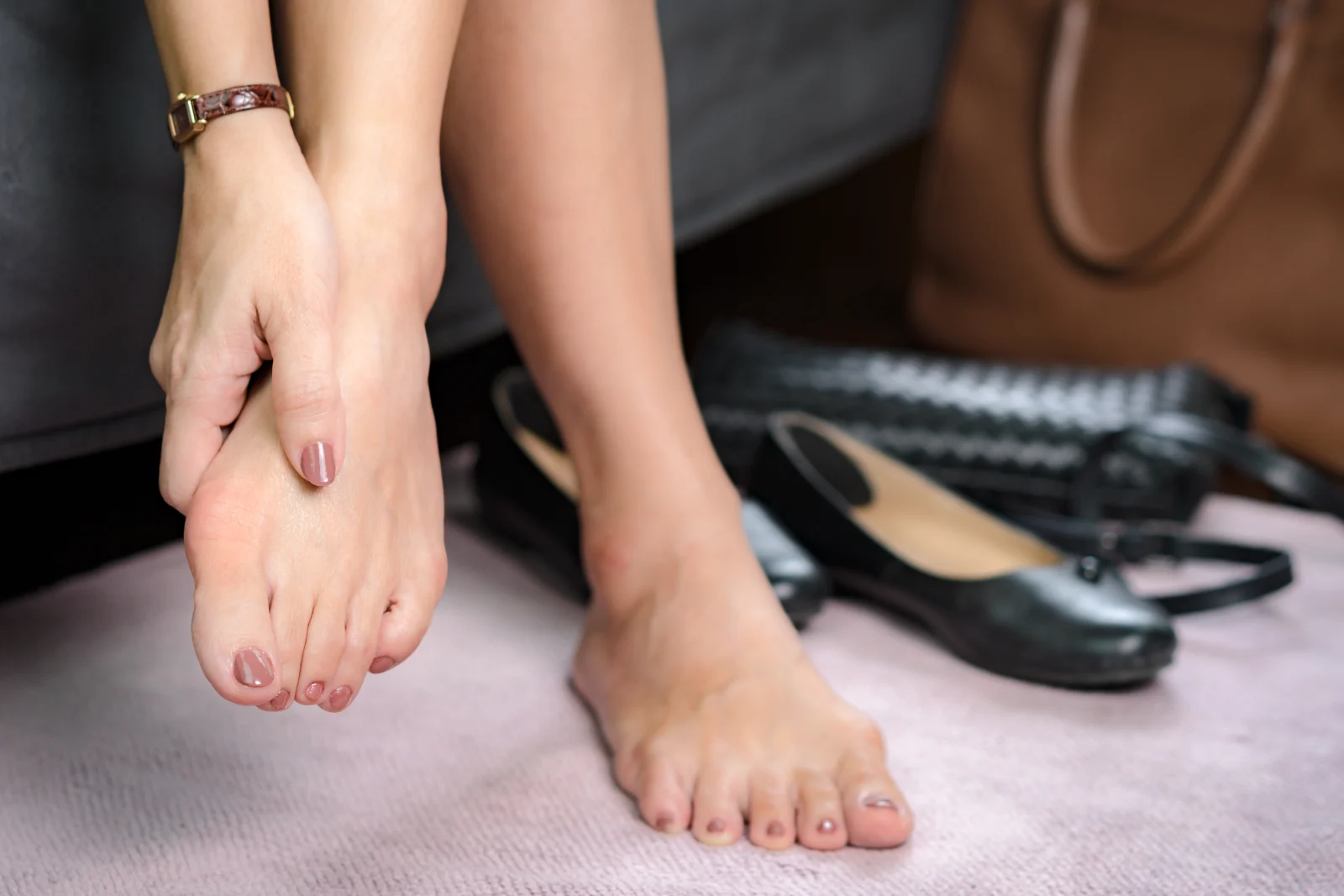
Most bunions can be managed without surgery through wider shoes, custom orthotics, padding, pain relief, and simple lifestyle changes. These steps will not straighten the big toe, but they can ease pain, reduce pressure on the joint, and slow the bunion’s progress. This guide explains how each option works and when it may be time to consider more. At Silverstone Podiatry, conservative care is often the first step we discuss with bunion patients at our Manhattan and Staten Island offices.
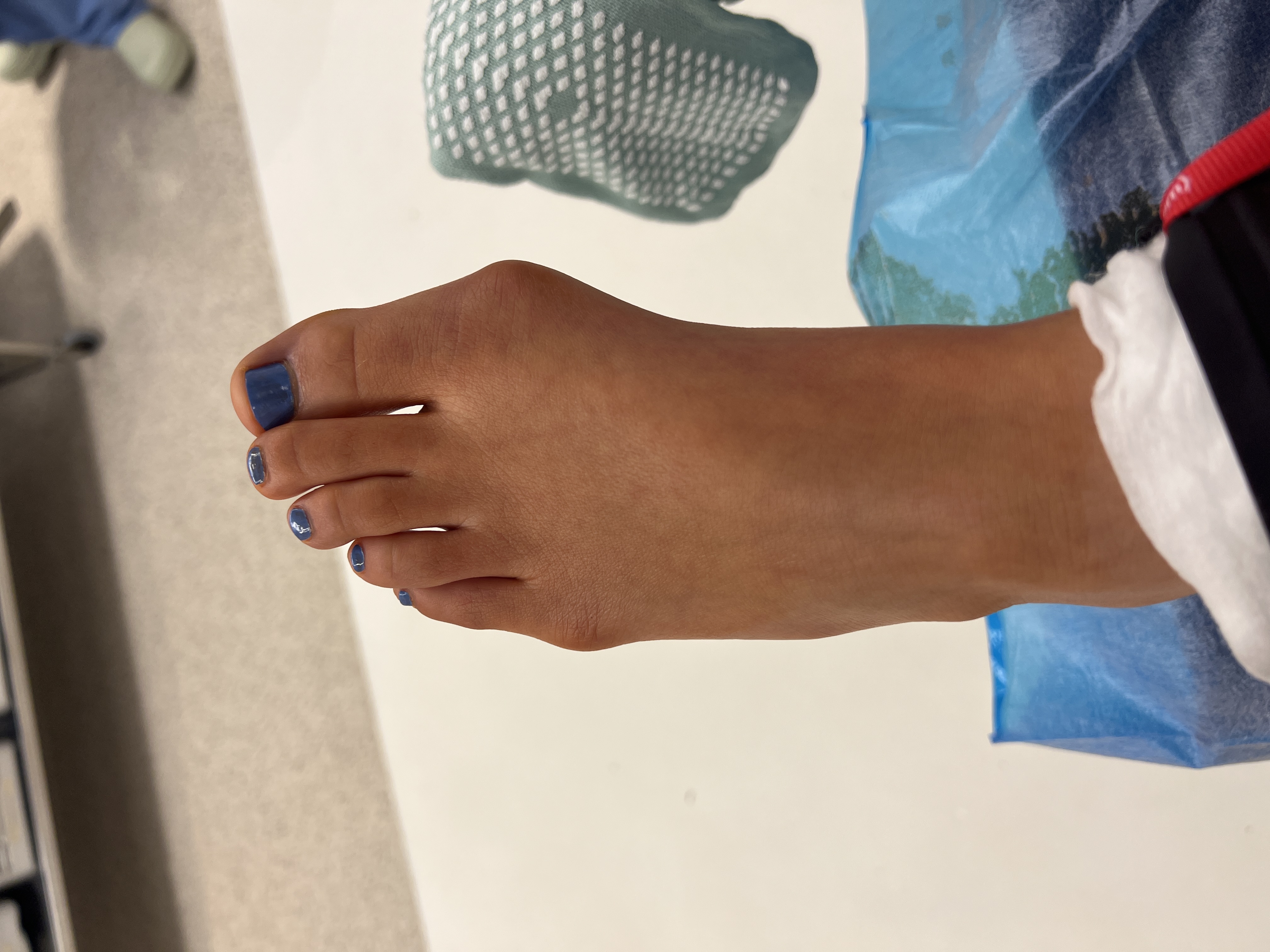
Once the bones have shifted, no shoe, splint, or exercise will move them back into place. Only surgery corrects the alignment. Still, many patients never need an operation. The goal of conservative care is to relieve pain and swelling, take pressure and friction off the bump, support better foot mechanics, and slow the bunion so you can stay active.
Shoes are the most important change most patients can make. Look for:
A wide, deep toe box that lets your toes spread out
Low heels, ideally under two inches, to keep weight off the front of the foot
Soft, flexible uppers made from leather or stretchable fabric
Good arch support and a cushioned sole
Adjustable closures such as laces or straps
Shop late in the day when your feet are slightly swollen. Have both feet measured, since foot size can change over time. A shoe repair shop can sometimes stretch the area over the bunion for extra room.
We offer custom foot orthotics made from the shape of your feet. They support the arch, spread pressure more evenly, and help control the foot motion that adds stress to the big toe joint. This is especially helpful for patients with flat feet or overpronation.
Other accessories can help as well:
Bunion pads made of gel or moleskin cushion the bump and reduce rubbing.
Toe spacers placed between the first and second toes ease crowding.
Night splints hold the toe in a straighter position while you sleep and may relieve discomfort, though they do not correct the bone.
Over-the-counter nonsteroidal anti-inflammatory drugs such as ibuprofen and naproxen can reduce pain and swelling during flare-ups. Follow the label directions. Talk with a medical provider before using them regularly, especially if you have stomach, kidney, or heart conditions or take other medications.
When pain and swelling persist, a podiatrist may suggest other options based on your exam.
Ice reduces swelling and dulls pain after a long day on your feet. Wrap an ice pack in a thin towel and apply it to the bunion for 15 to 20 minutes at a time. Never place ice directly on the skin.
Warm soaks can loosen a stiff joint and improve comfort, particularly in the morning. Some patients find that switching between warm and cold works well. Avoid heat when the joint is red or swollen.
Gentle exercises help keep the big toe joint flexible and the foot muscles strong:
Toe stretches. Gently pull the big toe into a straighter position and hold for 10 seconds.
Toe spreads. Spread all your toes apart, hold for a few seconds, and relax.
Towel curls. Use your toes to scrunch a towel toward you on the floor.
Marble pickups. Pick up small objects with your toes and drop them into a cup.
Ball rolls. Roll a tennis ball under the sole of your foot to ease tension.
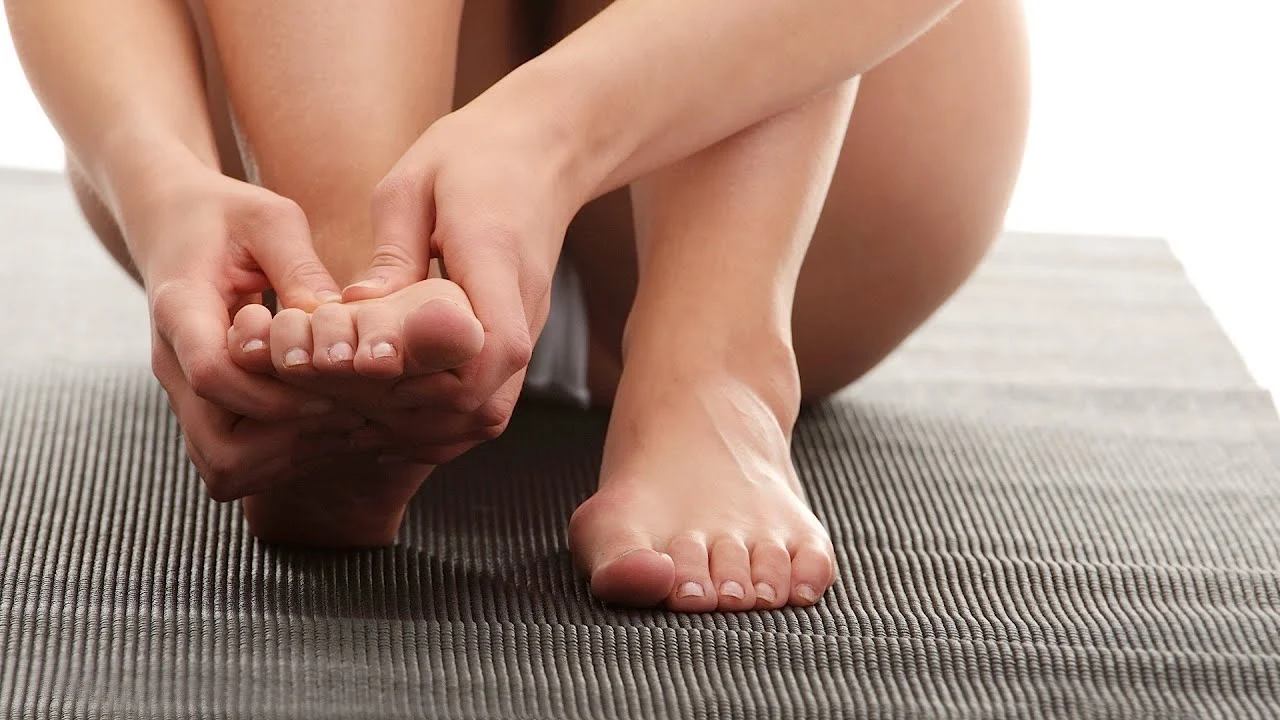
Rest matters too. Break up long periods of standing when you can. Choose lower-impact activities such as swimming or cycling during painful stretches.
Every step places your body weight on the front of the foot. Extra weight increases the load on the big toe joint and can make pain worse. Even modest weight loss can reduce pressure and improve comfort.
Conservative care works well for many patients, but not for everyone. See a foot specialist if:
Pain continues after several months of shoe changes, orthotics, and home care
The bump keeps growing
Your second toe begins to drift or overlap
Pain affects your sleep, work, or exercise
You notice joint stiffness or grinding, which can point to Big Toe Arthritis
If nonsurgical care no longer controls your symptoms, we offer minimally invasive Bunion Surgery to correct the alignment. You can review our full range of foot treatments and the conditions we treat to learn more.
Bunions cannot be reversed without surgery, but most can be managed with the right care. Wider shoes, custom orthotics, padding, ice, gentle exercise, and a healthy weight can ease pain and slow progression. Starting early gives you the most options, and our team in Manhattan and Staten Island, NY is here when you need a personalized plan.