


Yes, bunions and hammertoes can often be corrected in a single surgery, and for many patients it is the more practical choice: one operation, one recovery, and a forefoot that is aligned as a whole. Below, we explain how the combined procedure works, its benefits, and what healing looks like for patients we treat in New York, NY and Staten Island, NY.
A bunion is a bony bump at the base of the big toe that forms as the big toe drifts toward the second toe. As it leans inward, it crowds the smaller toes, and over time that pressure can bend the second toe into a hammertoe: a toe that buckles at the middle joint into a curled, claw-like shape.
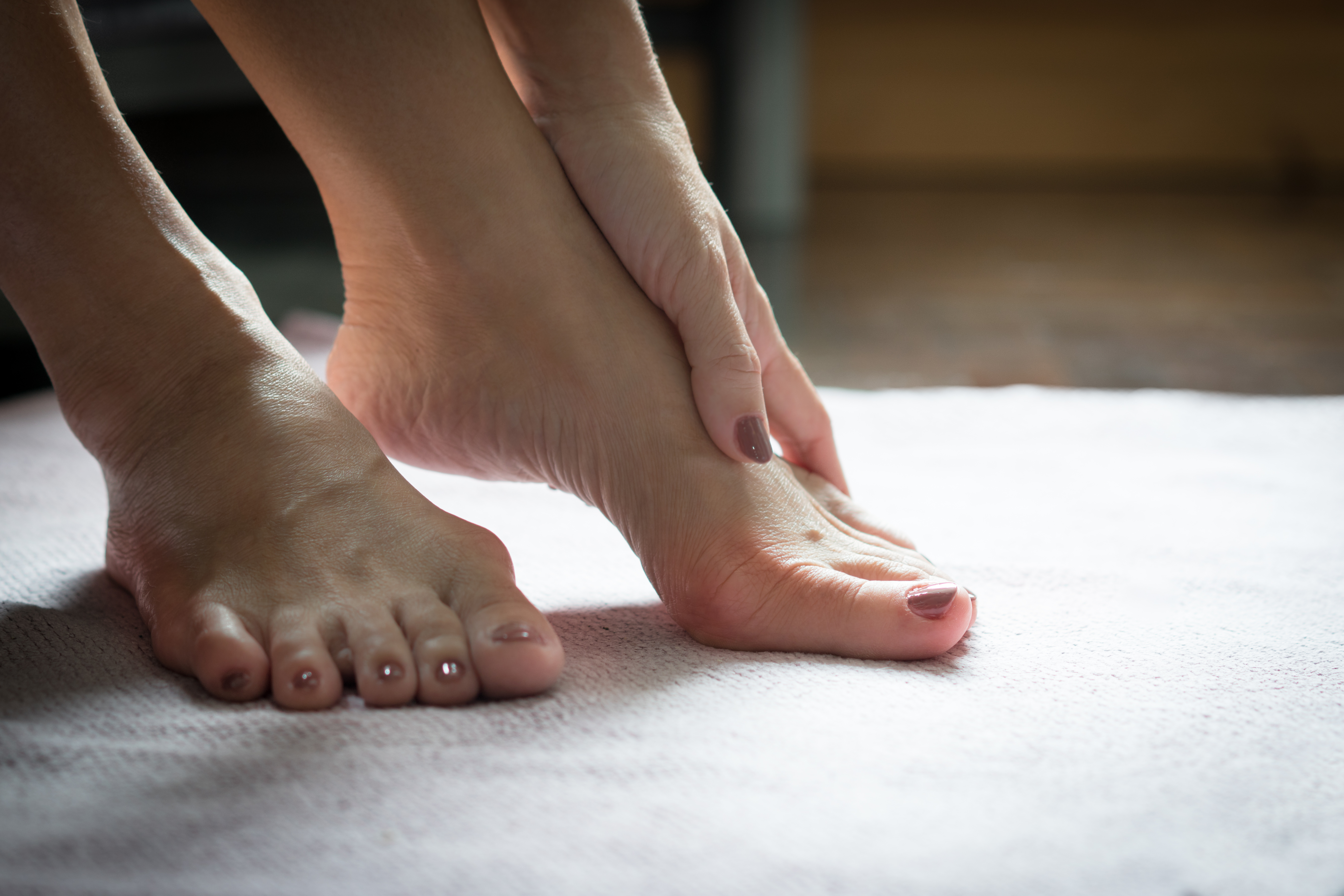
A bunion also shifts weight onto the ball of the foot, which can strain the ligament under the second toe joint, the plantar plate. When it weakens or tears, the toe drifts and buckles further. In some cases, we address this with Plantar Plate Surgery as part of the same correction.
Because the two problems are linked, fixing only one often leaves the other to keep causing pain. Straightening a hammertoe without fixing the bunion lets the big toe keep pushing on the smaller toes, and correcting the bunion alone can leave a rigid hammertoe that still rubs in shoes.
Wider shoes, padding, toe spacers and Orthotics can ease symptoms, but they do not change the shape of the bones or joints. Combined surgery is worth considering when pain continues despite these steps, or when you notice:
Ongoing pain at the big toe joint and in one or more smaller toes
A big toe that crowds, overlaps, or sits under the second toe
A hammertoe that is stiff and no longer straightens by hand
Painful corns or calluses on the tops or tips of your toes, or pain under the second toe
Foot pain that limits walking, exercise, or finding shoes that fit
Before recommending a combined approach, our team reviews your imaging, your overall health (diabetes, circulation problems and smoking can slow healing), and any past foot surgery. Patients who still have pain after an earlier operation may need Bunion Surgery Revision or Hammertoe Surgery Revision instead.
Better overall alignment: The big toe and smaller toes are balanced together, so weight spreads more evenly across the foot.
Less chance of the hammertoe returning: Correcting the bunion removes the crowding that helped cause the hammertoe in the first place.
One surgery, one recovery: One anesthesia session, one surgery date, and one stretch of limited walking instead of two.
Easier shoe fit and less daily pain: With both the bump and the bent toe corrected, walking and standing become more comfortable and more shoes fit.
Both corrections are done during the same operation, planned around your own foot. The bunion is corrected first, because the position of the big toe sets the space the smaller toes have to sit straight.
Most bunion corrections use an osteotomy, a controlled cut that lets the surgeon shift the first metatarsal bone back into position, held with small screws or plates while it heals. Mild bunions may only need the bump removed and the soft tissues rebalanced, while an unstable joint further back in the foot may need a fusion.
Silverstone Podiatry offers minimally invasive Bunion Surgery for good candidates, using very small incisions for less soft-tissue disruption and smaller scars. A stiff, arthritic big toe joint may call for a different plan, guided by our approach to Big Toe Arthritis.
A flexible hammertoe can often be straightened by releasing or transferring tendons. A rigid one needs bone work: an arthroplasty removes a small piece of bone from the bent joint, or an arthrodesis (fusion) joins the joint so it heals as one straight bone. A temporary pin or small implant holds the toe straight, and a torn plantar plate can be repaired at the same time. Learn more on our Hammertoe Surgery page.
Every patient heals at a different pace, but a combined recovery usually follows this timeline:
Weeks 1 to 2: Rest, elevation above heart level, and limited walking in a surgical shoe or boot.
Weeks 2 to 6: Stitches come out around week two, walking in the protective shoe increases, and any toe pins are removed in the office.
Weeks 6 to 8: Many patients move into a wide, supportive sneaker once imaging shows good healing.
Months 3 to 6: Swelling keeps going down and most daily activities and exercise return.
Up to a year: The last swelling settles and the foot reaches its final shape.
Many patients can put some weight on the heel in a surgical shoe soon after surgery, sometimes the same day, especially after minimally invasive bunion correction. A fusion at the base of the big toe may mean several weeks off the foot with crutches or a knee scooter. Your surgeon will tell you exactly how much weight your foot can take and when.
Bunions and hammertoes are often linked, and correcting them together treats the cause and the result in one step, with one recovery and a lower chance of the hammertoe coming back. Most patients are back in supportive shoes within about two months. An exam with Silverstone Podiatry can show whether a combined approach fits your foot and goals.